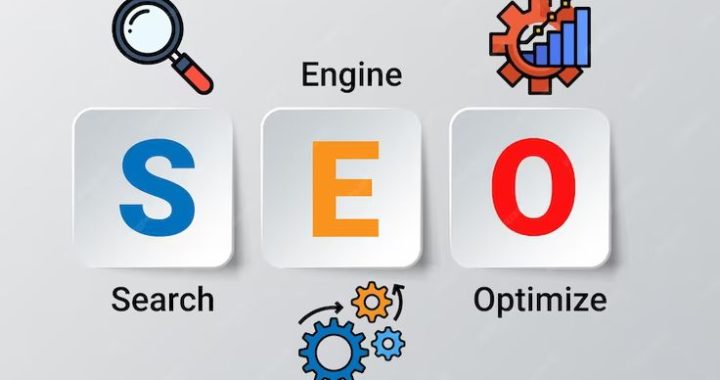
Why SEO is Important for Businesses
-
SEO increases website visibility.
-
It drives targeted traffic to your website.
-
It improves brand credibility and trust.
-
Users trust websites that appear on the first page.
-
SEO generates higher ROI compared to paid ads long-term.
-
It helps businesses compete with larger brands.
-
Local businesses gain more foot traffic through local SEO.
-
SEO supports the buyer journey from awareness to purchase.
-
It reduces dependency on paid marketing.
-
SEO brings 24/7 promotion for your business.
-
It helps in building brand authority.
-
It improves website usability and structure.
-
SEO supports content marketing strategies.
-
It provides measurable results via analytics.
-
It attracts high-intent customers.
-
It supports mobile and voice search visibility.
-
It helps startups grow affordably.
-
It increases lead generation.
-
It boosts e-commerce sales.
-
It builds long-term digital assets.
How Search Engines Work
-
Search engines use bots (crawlers/spiders) to scan websites.
-
Crawlers discover pages via links.
-
The discovered pages are stored in an index.
-
Search engines analyze content quality and relevance.
-
Algorithms rank pages based on many factors.
-
Ranking factors include keywords, links, UX, speed, and more.
-
Search engines aim to deliver the best user experience.
-
Google updates algorithms regularly.
-
AI plays a growing role in search.
-
User behavior signals influence rankings.
-
Search engines interpret search intent.
-
They analyze content structure and clarity.
-
They reward originality.
-
Duplicate content can harm rankings.
-
Spam tactics are penalized.
-
Authority signals affect rankings.
-
Secure websites (HTTPS) are preferred.
-
Mobile-friendly sites rank better.
-
Page experience is a ranking factor.
-
Helpful content is prioritized.
Types of SEO
On-Page SEO
-
Optimizing elements on your website.
-
Includes content and HTML optimization.
-
Focuses on keyword usage.
-
Improves readability and structure.
-
Enhances meta tags.
-
Uses proper headings.
-
Optimizes images.
-
Improves internal linking.
-
Focuses on user intent.
-
Enhances content quality.
Off-Page SEO
-
Activities outside your website.
-
Mainly link building.
-
Builds domain authority.
-
Includes social signals.
-
Brand mentions matter.
-
Influencer collaborations help.
-
PR outreach improves reputation.
-
Guest blogging builds backlinks.
-
Online reviews impact local SEO.
-
Forum engagement builds visibility.
Technical SEO
-
Focuses on backend optimization.
-
Improves crawling and indexing.
-
Enhances site speed.
-
Uses structured data.
-
Ensures mobile friendliness.
-
Fixes broken links.
-
Optimizes site architecture.
-
Implements SSL security.
-
Improves URL structure.
-
Uses XML sitemaps.
Local SEO
-
Targets local customers.
-
Optimizes Google Business Profile.
-
Uses local keywords.
-
Encourages customer reviews.
-
Builds local citations.
-
Optimizes maps visibility.
-
Targets “near me” searches.
-
Uses local schema markup.
-
Focuses on NAP consistency.
-
Builds local backlinks.
Keyword Research
-
Foundation of SEO strategy.
-
Identifies what users search for.
-
Helps understand user intent.
-
Includes short-tail keywords.
-
Includes long-tail keywords.
-
Long-tail keywords convert better.
-
Analyze keyword difficulty.
-
Check search volume.
-
Study competitors’ keywords.
-
Use keyword tools.

-
Target informational keywords.
-
Target transactional keywords.
-
Use semantic keywords.
-
Avoid keyword stuffing.
-
Map keywords to pages.
-
Use question keywords.
-
Consider seasonal trends.
-
Update keywords regularly.
-
Focus on relevance.
-
Prioritize user value.
Content Optimization
-
Content must be high quality.
-
It should solve user problems.
-
Use clear headings.
-
Add bullet points for readability.
-
Include keywords naturally.
-
Write for humans first.
-
Avoid fluff.
-
Keep content fresh.
-
Update old content.
-
Add visuals when needed.
-
Include FAQs.
-
Improve dwell time.
-
Add internal links.
-
Ensure originality.
-
Focus on depth.
-
Add statistics.
-
Provide examples.
-
Use storytelling.
-
Optimize for featured snippets.
-
Match search intent.
Link Building
-
Backlinks are ranking signals.
-
Quality matters more than quantity.
-
Earn links naturally.
-
Guest posting helps.
-
Broken link building works.
-
Skyscraper technique works.
-
PR outreach helps.
-
Influencer mentions help.
-
Directory links help local SEO.
-
Avoid spammy links.
-
Use anchor text wisely.
-
Build niche links.
-
Use internal links.
-
Track backlinks.
-
Disavow toxic links.
-
Create link-worthy content.
-
Publish research.
-
Offer tools/resources.
-
Collaborate with bloggers.
-
Focus on relevance.
Technical SEO Essentials
-
Fast loading speed is crucial.
-
Optimize Core Web Vitals.
-
Use caching.
-
Compress images.
-
Minimize code.
-
Use CDN.
-
Fix crawl errors.
-
Optimize robots.txt.
-
Create XML sitemap.
-
Use canonical tags.
-
Avoid duplicate pages.
-
Improve URL structure.
-
Ensure mobile responsiveness.
-
Use schema markup.
-
Improve site architecture.
-
Enable HTTPS.
-
Fix redirect chains.
-
Remove orphan pages.
-
Optimize pagination.
-
Improve server response time.
Mobile SEO
-
Mobile-first indexing is standard.
-
Responsive design is necessary.
-
Fast mobile speed is vital.
-
Optimize for touch navigation.
-
Avoid intrusive popups.
-
Optimize fonts for readability.
-
Ensure proper spacing.
-
Optimize images for mobile.
-
Test on devices.
-
Improve UX.
User Experience (UX) and SEO
-
Good UX improves rankings.
-
Reduce bounce rate.
-
Improve dwell time.
-
Clear navigation helps.
-
Easy design improves retention.
-
Fast sites keep users.
-
Clean layouts help.
-
Avoid clutter.
-
Use readable fonts.
-
Make CTAs clear.
Voice Search SEO
-
Growing rapidly.
-
Uses conversational queries.
-
Focus on questions.
-
Optimize for long-tail keywords.
-
Target featured snippets.
-
Improve local SEO.
-
Use natural language.
-
Answer clearly.
-
Optimize FAQs.
-
Focus on intent.
SEO Tools
-
Google Analytics.
-
Google Search Console.
-
Ahrefs.
-
SEMrush.
-
Ubersuggest.
-
Screaming Frog.
-
Moz.
-
Keyword Planner.
-
PageSpeed Insights.
-
GTmetrix.
Common SEO Mistakes
-
Keyword stuffing.
-
Duplicate content.
-
Ignoring mobile.
-
Slow speed.
-
Poor backlinks.
-
Ignoring intent.
-
Thin content.
-
Broken links.
-
No analytics tracking.
-
Not updating content.
Future of SEO
-
AI-driven search growth.
-
User intent focus increases.
-
Helpful content wins.
-
Video SEO grows.
-
Voice search expands.
-
Visual search grows.
-
E-E-A-T matters more.
-
Brand authority matters.
-
UX importance rises.
-
Semantic SEO grows.
Final Thoughts
-
SEO is a long-term strategy.
-
It requires patience.
-
It rewards consistency.
-
Focus on value.
-
Optimize continuously.
-
Stay updated.
-
Put users first.
-
Build authority.
-
Create helpful content.
-
SEO success compounds over time.