Step 1: Understand Your Audience Deeply
-
High-converting content begins with audience understanding
-
Know your audience’s:
-
Problems
-
Needs
-
Desires
-
Goals
-
Fears
-
-
Create buyer personas:
-
Age
-
Gender
-
Location
-
Income level
-
Interests
-
-
Identify pain points:
-
What frustrates them?
-
What are they struggling with?
-
What solutions are they seeking?
-
-
Understand buying behavior:
-
Impulse buyer vs. researcher
-
Price sensitive vs. value focused
-
-
Use tools to research:
-
Google Analytics
-
Social media insights
-
Surveys and polls
-
-
Monitor online discussions:
-
Forums
-
Reviews
-
Comments
-
-
When you know your audience:
-
Your message becomes relevant
-
Your content feels personal
-
Conversions naturally increase
-
Step 2: Focus on Value Before Selling
-
Modern customers dislike aggressive selling
-
Value builds trust first
-
Provide useful content:
-
Tips
-
Guides
-
Tutorials
-
Insights
-
-
Educate before promoting
-
Solve real problems:
-
Answer FAQs
-
Provide step-by-step solutions
-
-
Share expertise:
-
Industry knowledge
-
Real experiences
-
Case studies
-
-
Value-driven content:
-
Positions you as an expert
-
Builds credibility
-
Encourages loyalty
-
-
When customers trust you:
-
They are more willing to buy
-
They recommend you to others
-
Step 3: Craft Magnetic Headlines
-
80% of people read headlines only
-
Great headline = higher clicks
-
Use power words:
-
Proven
-
Ultimate
-
Secret
-
Easy
-
Guaranteed
-
-
Add numbers:
-
“7 Ways to…”
-
“10 Tips for…”
-
-
Use curiosity:
-
“You Won’t Believe…”
-
-
Promise benefit:
-
“Boost Sales Fast”
-
-
Keep headlines:
-
Clear
-
Specific
-
Benefit-driven
-
-
Test multiple headlines:
-
A/B testing
-
Social previews
-
-
A strong headline:
-
Pulls readers in
-
Increases engagement
-
Improves conversion potential
-
Step 4: Hook Readers from the First Line
-
First impression matters
-
Strong hooks include:
-
Surprising facts
-
Bold statements
-
Questions
-
Short stories
-
-
Address pain points immediately
-
Make readers feel understood
-
Show them what they’ll gain
-
Avoid boring introductions
-
Keep it short and impactful
-
A good hook:
-
Stops scrolling
-
Grabs attention
-
Encourages continued reading
-
Step 5: Use Persuasive Copywriting Techniques
-
Copywriting is selling through words
-
Use emotional triggers:
-
Fear of missing out
-
Desire for success
-
Security
-
Happiness
-
-
Apply AIDA formula:
-
Attention
-
Interest
-
Desire
-
Action
-
-
Use storytelling:
-
Relatable experiences
-
Transformation stories
-
-
Highlight benefits over features:
-
Not what it is
-
But what it does for them
-
-
Include social proof:
-
Testimonials
-
Reviews
-
Ratings
-
-
Use simple language:
-
Easy to understand
-
Conversational tone
-
-
Persuasive copy:
-
Builds desire
-
Reduces hesitation
-
Drives action
-
Step 6: Make Content Easy to Read
-
Online readers skim
-
Use:
-
Bullet points
-
Short paragraphs
-
Subheadings
-
-
Avoid large text blocks
-
Use whitespace
-
Highlight key points:
-
Bold text
-
Lists
-
-
Keep sentences short
-
Use simple vocabulary
-
Mobile-friendly formatting is critical
-
Easy-to-read content:
-
Improves engagement
-
Reduces bounce rate
-
Increases conversions
-
Step 7: Add Clear Calls-to-Action (CTAs)
-
Every high-converting content needs CTAs
-
Tell readers what to do next:
-
Buy now
-
Subscribe
-
Download
-
Contact us
-
-
Make CTAs:
-
Clear
-
Direct
-
Action-oriented
-
-
Create urgency:
-
Limited time
-
Limited spots
-
-
Place CTAs strategically:
-
Middle of content
-
End of content
-
-
Use benefit-focused CTAs:
-
“Get Your Free Guide”
-
-
A good CTA:
-
Guides the reader
-
Removes confusion
-
Boosts conversions
-
Step 8: Use SEO to Attract the Right Traffic
-
Traffic without conversions is useless
-
SEO brings qualified visitors
-
Research keywords:
-
Buyer intent keywords
-
Long-tail keywords
-
-
Optimize:
-
Titles
-
Meta descriptions
-
Headers
-
-
Add internal links
-
Improve page speed
-
Ensure mobile optimization
-
Create valuable content for searchers
-
SEO helps:
-
Increase visibility
-
Bring ready-to-buy traffic
-
Improve conversion rates
-
Step 9: Build Trust and Credibility
-
People buy from brands they trust
-
Show expertise:
-
Certifications
-
Awards
-
-
Display testimonials
-
Use real data and facts
-
Be transparent:
-
Pricing
-
Policies
-
-
Provide guarantees:
-
Money-back offers
-
-
Maintain consistent branding
-
Trust increases:
-
Confidence
-
Conversions
-
Customer loyalty
-
Step 10: Use Visual and Interactive Elements
-
Visual content boosts engagement
-
Include:
-
Images
-
Infographics
-
Videos
-
-
Interactive elements:
-
Quizzes
-
Calculators
-
Polls
-
-
Visuals:
-
Simplify complex ideas
-
Increase retention
-
-
Interactive content:
-
Encourages participation
-
Keeps users longer
-
-
Engagement leads to:
-
Higher trust
-
More conversions
-
Step 11: Optimize for Conversion Psychology
-
Use scarcity:
-
Limited time offers
-
-
Use urgency:
-
Countdown timers
-
-
Apply reciprocity:
-
Free resources
-
-
Use authority:
-
Expert endorsements
-
-
Use consistency:
-
Small commitments first
-
-
Psychology influences decisions
-
Smart psychology:
-
Reduces hesitation
-
Increases action
-
Step 12: Test and Improve Continuously
-
High-converting content is optimized
-
Track performance:
-
Conversion rate
-
Bounce rate
-
Engagement
-
-
A/B test:
-
Headlines
-
CTAs
-
Layouts
-
-
Use analytics tools
-
Improve weak areas
-
Learn from data
-
Optimization leads to:
-
Better ROI
-
Higher profits
-
Step 13: Create a Content Funnel
-
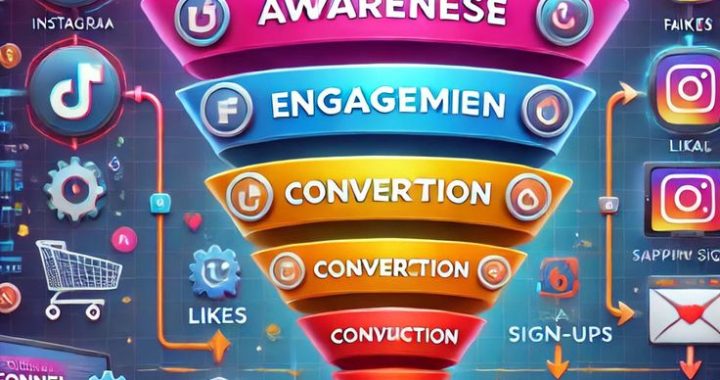
Funnel stages:
-
Awareness
-
Consideration
-
Decision
-
-
Awareness content:
-
Blogs
-
Videos
-
-
Consideration content:
-
Comparisons
-
Case studies
-
-
Decision content:
-
Testimonials
-
Offers
-
-
Funnel strategy:
-
Guides users step-by-step
-
Increases conversions
-
Step 14: Repurpose High-Performing Content
-
Turn blogs into:
-
Videos
-
Social posts
-
Emails
-
-
Repurposing:
-
Saves time
-
Expands reach
-
-
Update old content
-
Add new data
-
High-performing content deserves reuse
Step 15: Focus on Consistency
-
Consistency builds trust
-
Post regularly
-
Maintain brand voice
-
Stay relevant
-
Long-term consistency:
-
Builds authority
-
Grows audience
-
Increases conversions
-
Common Mistakes to Avoid
-
Writing without strategy
-
Ignoring audience needs
-
Weak headlines
-
No CTA
-
Overloading with sales
-
Poor formatting
-
No testing
-
Avoiding these improves results
Final Thoughts
-
High-converting content is:
-
Strategic
-
Valuable
-
Persuasive
-
-
Focus on:
-
Audience
-
Value
-
Trust
-
Optimization
-
-
Content that converts:
-
Builds relationships
-
Drives sales
-
Grows businesses
-
-
Start implementing today
-
Small improvements bring big results
-
Great content = long-term success